1
/
of
1
The Book Nook: A Christian Book & Gift Boutique
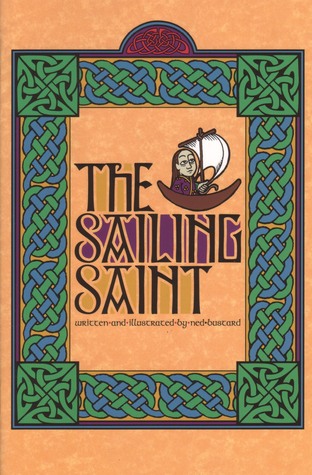
The Sailing Saint (Phonics Museum, Volume 18)
The Sailing Saint (Phonics Museum, Volume 18)
Regular price
$2.00 AUD
Regular price
$5.00 AUD
Sale price
$2.00 AUD
Shipping calculated at checkout.
Quantity
Couldn't load pickup availability
**This is a USED BOOK. It may show some wear and tear. Used books are final sale. No refunds or exchanges.** COVER may be different than what is pictured. Stock images are used.
Maps of Columbus’ time often included “St. Brendan’s Isle” somewhere in the western Atlantic ocean. The island was mentioned in a Latin text dating from the ninth century titled Navigatio Santi Brendani Abatis. It described the voyage as having taken place in the sixth century. It was an important part of folklore in medieval Europe and may have influenced Columbus. St. Brendan of Ardfert and Clonfert was born in the County Kerry, Ireland, in 484, was baptized by Bishop Erc, and died in 577.
The Navigatio contains a detailed description of the construction of Brendan’s boat which was not unlike the currachs still made in County Kerry today. Many have doubted the plausability of a trans-atlantic voyage in such a fragile vessel but in 1976 a British navigation scholar constructed a currach using the details described by Brendan and sailed in it from Ireland to Newfoundland.
Their route went across the northernmost part of the Atlantic, past the Faroe Islands (the word “Faroe” means Island of Sheep), close to Iceland (then and still an active volcanic area), past Greenland with a landfall at Newfoundland. This would be Leif Erickson’s route later in the tenth century. Many of Brendan’s stops on his journey were islands where Irish monks had set up primitive monasteries. Vikings traveling these waters recorded meeting with “Papers” (fathers).
There is no doubt that the Irish were frequent seafarers of the North Atlantic sea currents 900 years before the voyage of Columbus. Shawnee Indian traditions tell of an Irish-speaking tribe existing in Florida while in 1519 Cortez came across the legend of Quetzalcoatl—”The Precious”—a white-bearded missionary who had come from a holy isle to the northeast. Though Brendan’s final port in the New World is unknown, certainly St. Brendan’s voyage was not merely medieval legend but a plausible adventure of Faith.
The Navigatio contains a detailed description of the construction of Brendan’s boat which was not unlike the currachs still made in County Kerry today. Many have doubted the plausability of a trans-atlantic voyage in such a fragile vessel but in 1976 a British navigation scholar constructed a currach using the details described by Brendan and sailed in it from Ireland to Newfoundland.
Their route went across the northernmost part of the Atlantic, past the Faroe Islands (the word “Faroe” means Island of Sheep), close to Iceland (then and still an active volcanic area), past Greenland with a landfall at Newfoundland. This would be Leif Erickson’s route later in the tenth century. Many of Brendan’s stops on his journey were islands where Irish monks had set up primitive monasteries. Vikings traveling these waters recorded meeting with “Papers” (fathers).
There is no doubt that the Irish were frequent seafarers of the North Atlantic sea currents 900 years before the voyage of Columbus. Shawnee Indian traditions tell of an Irish-speaking tribe existing in Florida while in 1519 Cortez came across the legend of Quetzalcoatl—”The Precious”—a white-bearded missionary who had come from a holy isle to the northeast. Though Brendan’s final port in the New World is unknown, certainly St. Brendan’s voyage was not merely medieval legend but a plausible adventure of Faith.
Share